
How to Make Your Human Hair Wig Last 2+ Years
A Realistic Care Guide for Long-Term Wig Wearers in South Africa
One of the biggest myths in the wig industry is that wigs are “temporary.”
The truth?
A high-quality 100% human hair wig can last 2 years or more — if you care for it properly.
If you’ve invested in a premium lace front or human hair bundles, this guide will show you exactly how to protect that investment.
Whether you searched:
- how long do human hair wigs last
- how to maintain lace wig
- how to make wig last longer
This is your step-by-step longevity plan.
Step 1: Start With Quality
Longevity begins before maintenance.
A wig made from:
- 100% human hair
- Remy cuticle alignment
- Strong lace construction
- Proper density
will always outlast lower-tier alternatives.
If your base quality is poor, maintenance can only do so much.
When shopping, prioritise well-constructed Lace Front Wigs or verified human hair units from trusted sources.
Step 2: Wash Less — But Wash Properly
Overwashing shortens lifespan.
Underwashing causes buildup.
Ideal Washing Frequency
- Every 2–3 weeks (regular wear)
- After heavy product buildup
- After excessive sweating
Washing Method
- Detangle gently before washing
- Use lukewarm water
- Apply sulfate-free shampoo downward (never scrub)
- Rinse gently
- Apply conditioner mid-length to ends
- Rinse thoroughly
Never twist or wring the wig.
Gentle handling preserves cuticles.
Step 3: Always Air Dry
Heat weakens hair over time.
Best Practice
- Place wig on a wig stand
- Allow to air dry naturally
- Avoid high heat blow drying
If using heat tools later, always apply heat protectant.
From studio experience, wigs that are air-dried consistently maintain shine and structure far longer.
Step 4: Minimise Heat Styling
Human hair can handle heat — but that doesn’t mean it should be exposed daily.
Frequent heat styling:
- Dries strands
- Reduces elasticity
- Causes split ends
If you prefer daily sleek styles, consider:
- Lower heat settings
- Heat protectant sprays
- Styling only when necessary
Rotate between straight and natural wave to reduce strain.
Step 5: Store It Properly
Storage mistakes destroy wigs quietly.
Never:
- Throw it in a drawer
- Leave it crumpled
- Store while damp
Always:
- Use a wig stand
- Keep in breathable space
- Protect from dust
Proper storage prevents tangling and lace warping.
Step 6: Protect It While Sleeping
If you sleep in your wig:
- Use silk or satin bonnet
- Avoid cotton pillowcases
- Secure lace gently
Better option? Remove the wig at night if possible.
Friction is a major cause of dryness and shedding.
Step 7: Detangle Correctly
Improper brushing causes unnecessary hair loss.
Correct Technique
- Start at the ends
- Work upward slowly
- Use wide-tooth comb for curls
- Avoid brushing when soaking wet
Never yank through knots.
Patience preserves density.
Step 8: Maintain the Lace
Lace is delicate.
Avoid:
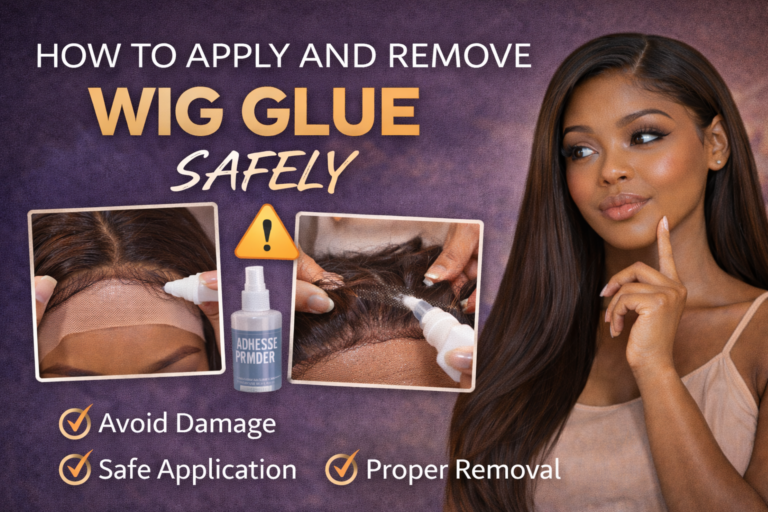
- Excessive glue buildup
- Aggressive scraping
- Harsh chemical cleaning
Use:
- Gentle adhesive removers
- Soft cloth wiping
- Minimal reapplication layers
The lace often wears out before the hair does — protecting it is crucial for 2+ year longevity.
Step 9: Avoid Heavy Product Buildup
Thick oils and heavy serums:
- Weigh hair down
- Attract dirt
- Shorten lifespan
Stick to:
- Lightweight serums
- Leave-in sprays
- Minimal styling cream
Human hair behaves like natural hair — too much product suffocates it.
Step 10: Rotate Your Wigs
If you wear wigs daily, rotation extends lifespan.
Using one wig every day without rest increases wear.
If possible:
- Alternate between two units
- Allow one to rest and recover shape
This significantly extends longevity.
Realistic Lifespan Expectations
With proper care:
- Entry premium human hair wig: 12–18 months
- High-quality Remy lace unit: 2+ years
- Bundles installed and maintained properly: 2–3 years
Longevity depends on:
- Handling
- Heat exposure
- Adhesive habits
- Storage
- Product usage
Common Mistakes That Shorten Wig Life
❌ Overwashing
❌ Excessive heat
❌ Sleeping without protection
❌ Using harsh shampoos
❌ Overloading with glue
❌ Brushing aggressively
❌ Storing damp
Most wig damage is preventable.
Cost-Per-Wear Perspective
Let’s think practically.
If a premium wig lasts:
- 24 months
- Worn 5 days per week
That dramatically lowers the cost-per-wear compared to replacing lower-quality wigs repeatedly.
Longevity isn’t just maintenance — it’s financial logic.
Signs Your Wig Is Aging
Even with good care, hair eventually shows wear.
Watch for:
- Increased tangling
- Loss of shine
- Excess shedding
- Lace thinning
At this stage, professional restoration may help — but prevention always works better.
Studio Insight
From hands-on experience inspecting and restoring wigs, the difference between a 6-month wig and a 2-year wig is almost always maintenance — not price alone.
Clients who:
- Wash gently
- Air dry consistently
- Minimise glue buildup
- Protect lace
consistently double their wig lifespan.
Longevity is technique-driven.
Final Thoughts
A human hair wig is not disposable.
It’s an investment.
If you treat it like natural hair — with patience, protection, and proper storage — it can serve you beautifully for years.
Longevity is not luck.
It’s habit.
Protect your lace.
Limit heat.
Store properly.
Wash gently.
That’s how you turn a good wig into a 2+ year investment.