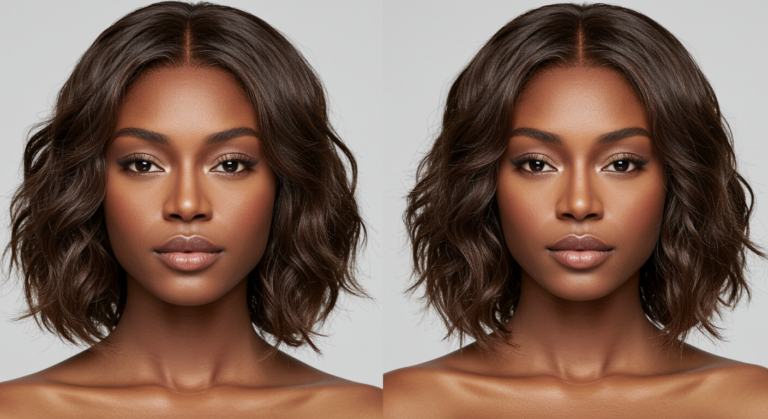

The Science of Wig Preservation: How to Prevent Lace Balding and Fibre Fatigue
A high-quality human hair unit is a sophisticated investment in personal branding. However, unlike natural hair, a wig lacks the biological advantage of a scalp-driven nutrient supply. From the moment the hair is harvested and knotted into a lace foundation, it begins a slow process of degradation known as fibre fatigue.
In the South African climate—where high UV exposure and varying water mineralities are the norm—understanding the mechanics of preservation is essential to maintaining the structural integrity of your unit.
Understanding ‘Fibre Fatigue’
Fibre fatigue occurs when the hair cuticle loses its lipid layer and moisture-retention capacity. Because the hair is no longer “living,” it cannot self-repair. Over time, environmental stressors and mechanical friction cause the cuticle to lift and fray.
- The Tangle Threshold: When cuticles fray, they act like Velcro, snagging against each other. This is the primary cause of matting at the nape of the neck.
- Oxidative Stress: Prolonged exposure to the South African sun triggers a chemical reaction that breaks down the hair’s melanin and protein structure, leading to brittle textures and colour fading.
The Technical Mechanics of Lace Balding
Lace balding—the thinning of hair at the parting or hairline—is a technical failure often caused by preventable mechanical stress. High-definition (HD) lace is prized for its invisibility, but its fine mesh structure is delicate.
1. Adhesive Buildup and Tension
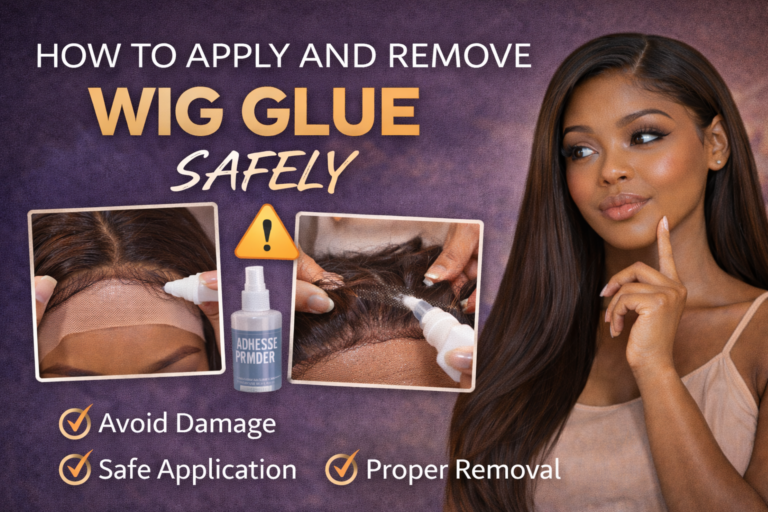
When adhesives are not fully dissolved during removal, the residual “tack” creates a permanent anchor for dust and skin cells. Brushing over this buildup creates leverage that pulls the individual hand-tied knots through the lace, causing permanent hair loss on the unit.
2. Directional Friction
Brushing from the root down is a common error. To preserve the knots, one must use a detangling programme that starts at the tips and moves upward. This ensures that any tension is absorbed by the hair shaft rather than the lace foundation.
The Chemistry of Cleaning: pH Balance and Minerals
The water profile in regions like the Western Cape can significantly impact hair longevity. Cape Town’s water is generally soft but can have varying pH levels that affect how hair cuticles react.
- The pH Standard: Human hair is naturally acidic (pH 4.5–5.5). Most commercial shampoos are alkaline. Using an alkaline cleanser on a wig forces the cuticle open, accelerating fibre fatigue.
- Deep Cleansing vs. Co-washing: While “co-washing” (conditioner-only washing) provides temporary softness, it can lead to product “film” that weighs down the hair. A professional-grade, pH-balanced sulphate-free shampoo is required to remove environmental pollutants without stripping the hair’s processed finish.
Environmental Shielding: The South African UV Factor
The South African UV index is among the highest in the world. For a luxury wig, this is a constant threat to the protein bonds within the hair.
- UV Protectants: Just as you protect your skin, your hair unit requires a lightweight, UV-filtering mist. This acts as a sacrificial barrier, absorbing the radiation before it reaches the hair cuticle.
- Hard Water Mitigation: In areas with “hard” water (high mineral content), minerals like calcium and magnesium can crystallise on the hair shaft. This makes the hair feel “crunchy” and resistant to styling. Using a chelating treatment once a month can strip these minerals and restore the hair’s natural “swing.”
The Professional Service Cycle: Technical Hygiene
Maintaining a unit is an exercise in technical hygiene. While daily care is vital, a 6-week professional “rehab” cycle is the gold standard for preservation.
- Steam Therapy: Professional steaming uses heat and moisture to penetrate the cuticle deeper than any topical conditioner can.
- Lace Sanitisation: A professional service includes a deep-clean of the lace mesh to remove microscopic adhesive particles that DIY washing often misses.
- Knot Sealing: Periodic application of a knot sealer can reinforce the bond between the hair and the lace, significantly extending the life of the unit.
Conclusion: Preserving the Asset
Shifting your perspective from “wearing a wig” to “managing a hair system” ensures your investment remains an asset rather than a liability. By understanding the science of fibre fatigue and implementing a rigorous preservation programme, you maintain the “out-of-the-box” finish for years rather than months.
Is your unit showing signs of fatigue?
Protect your investment by booking a Technical Wig Service at Mia’s Beauty. Our preservation specialists use clinical-grade treatments to restore elasticity and reinforce your HD lace foundation.